Both languages
Spanish is not treated as a bridge to discard. Children get opportunities to learn and respond in Spanish and English.
Computer-Assisted Bilingual
Vocabulary Intervention
NIH/NIDCD-supported research
CABVI uses technology to help bring Spanish and English vocabulary support into early learning, including settings where the clinician does not speak Spanish.
Explore services for your school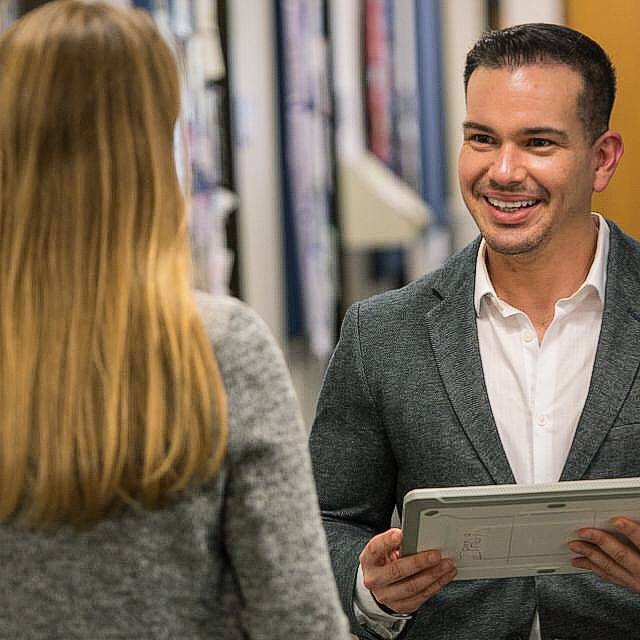
Designed around people.
Supported by technology.
Built for real learning communities
What CABVI is
Computer-Assisted Bilingual Vocabulary Intervention (CABVI) is a clinician-guided framework for providing vocabulary and language intervention in two languages through computing devices, including the responsible use of artificial intelligence. Grounded in evidence-based practice for bilingual children, CABVI supports the development and use of both languages in children with language disorders.
The framework combines direct teaching of preselected target words, shared book reading, and structured receptive and expressive language activities delivered individually or in small groups. CABVI is designed to address language mismatches between clinicians and children while supporting bilingual children’s communication, use of their full linguistic repertoires, and active participation.
Continued practice across activities and settings helps consolidate learning, strengthen semantic networks, deepen word knowledge, and support generalization.
Spanish is not treated as a bridge to discard. Children get opportunities to learn and respond in Spanish and English.
Clinicians and educators stay at the center of instruction. CABVI adds bilingual support to the work they already do.
Stories, repeated exposure, child-friendly definitions, and active word use make vocabulary learning concrete.
How CABVI works
CABVI is used with an adult, not handed to a child as passive screen time.
Bilingual audio introduces target words and supports access to Spanish.
Interactive stories put new vocabulary into meaningful contexts.
Word-focused activities invite children to recognize, name, and explain.


Expressive component
CABVI is exploring an AI-supported speech-to-speech experience for expressive vocabulary practice. Pío and Ceci are being designed to invite children to say, explain, and use words in Spanish and English while a clinician or educator guides the activity.
See the full technology storyWhat the early research found
In a preliminary study with 21 Spanish-speaking preschoolers, bilingual CABVI supported target Spanish vocabulary across receptive, naming, and definition tasks. Both CABVI groups showed comparable English gains, and gains in both languages were maintained at a six-week follow-up.
Read the peer-reviewed studyStudy at a glance
The next chapter
A projected $2.72 million research project is expanding CABVI work with young children from preschool through first grade. The team is studying how bilingual technology can support vocabulary learning and help address the shortage of bilingual service providers.
Explore interventions, classroom activities, assessments, and workshops that connect community service, student training, and CABVI research.
The people behind the work
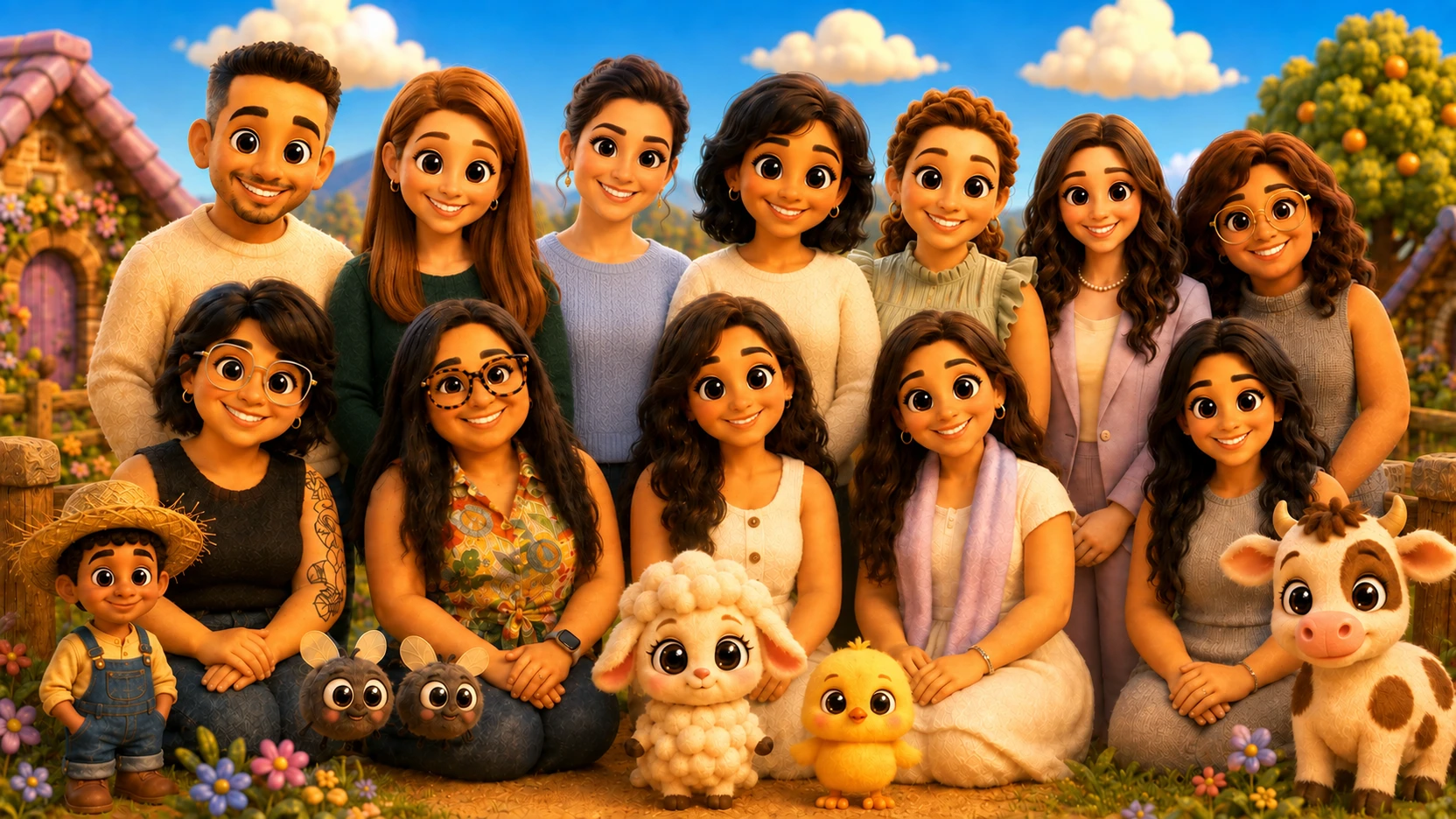
CABVI brings together researchers, clinicians, doctoral students, and emerging professionals who share a commitment to bilingual children and the communities that support them.
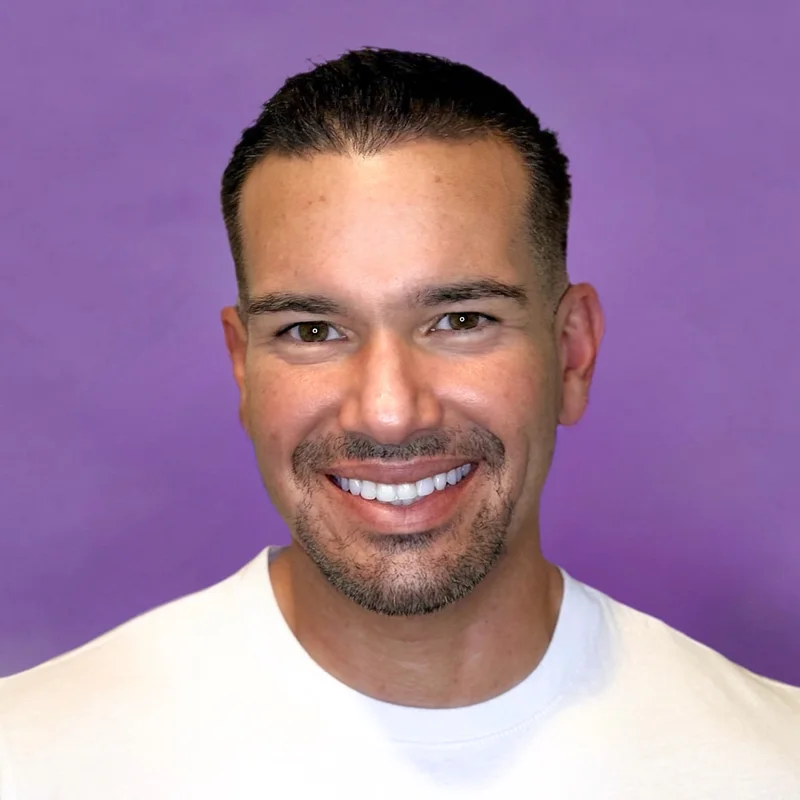
Principal Investigator
Jean Franco Rivera Pérez is CABVI’s Principal Investigator and an Associate Professor in TCU’s Davies School of Communication Sciences and Disorders. A bilingual speech-language pathologist and researcher, he studies technology-supported assessment, intervention, and professional training, with a focus on culturally and linguistically responsive services for bilingual children and families.
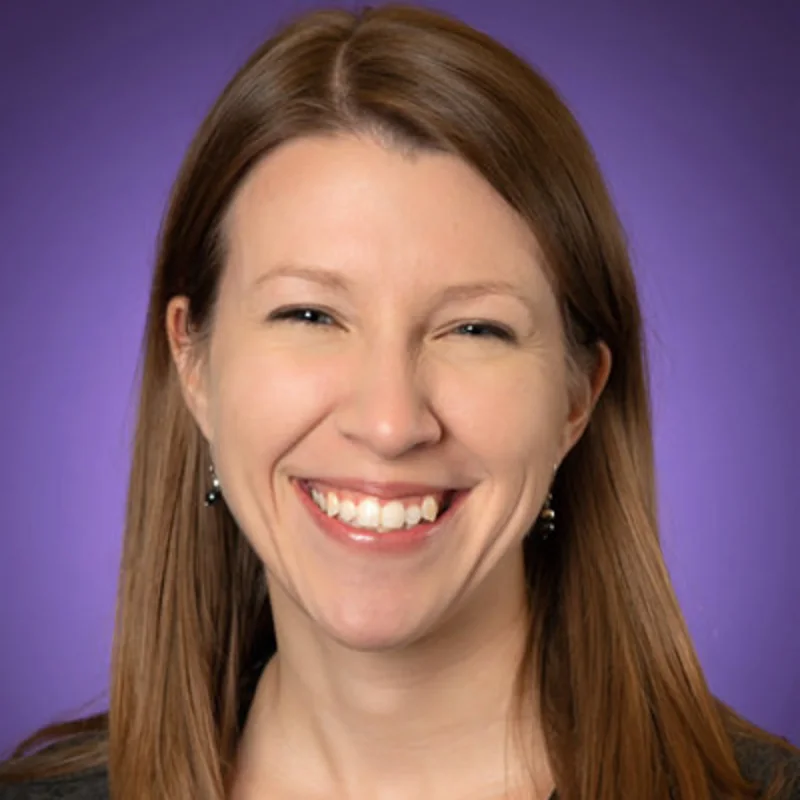
Co-Investigator
Emily Lund is CABVI’s Co-Investigator and a Professor in TCU’s Davies School of Communication Sciences and Disorders. Her research examines language, vocabulary, and literacy development in children with communication disorders, including children who are deaf or hard of hearing, and she contributes expertise in word learning and intervention research.
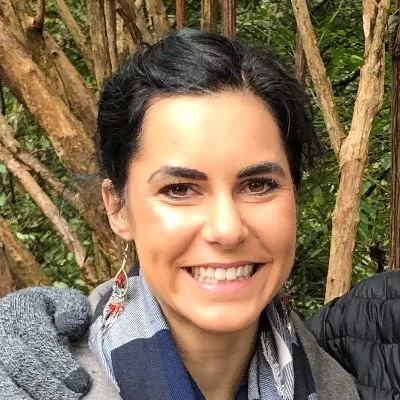
Research Methodologist & Consultant
Lisa Fitton is CABVI’s research methodologist and an Associate Professor at the University of South Carolina. A quantitative methodologist and Spanish-English–speaking speech-language pathologist, her research sits at the intersection of advanced statistical methods and multilingual language and reading development.
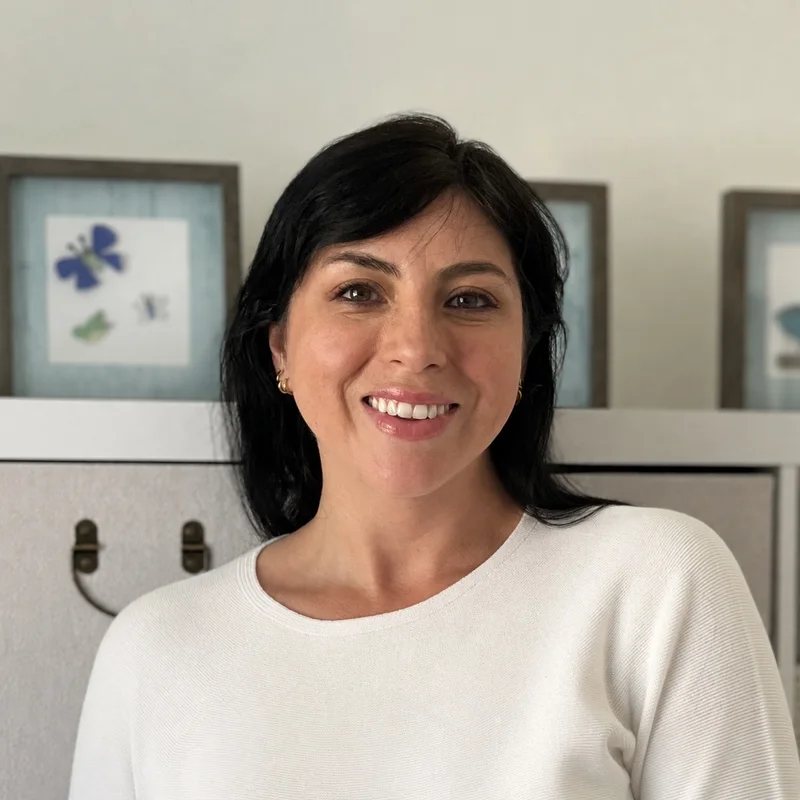
Research Associate
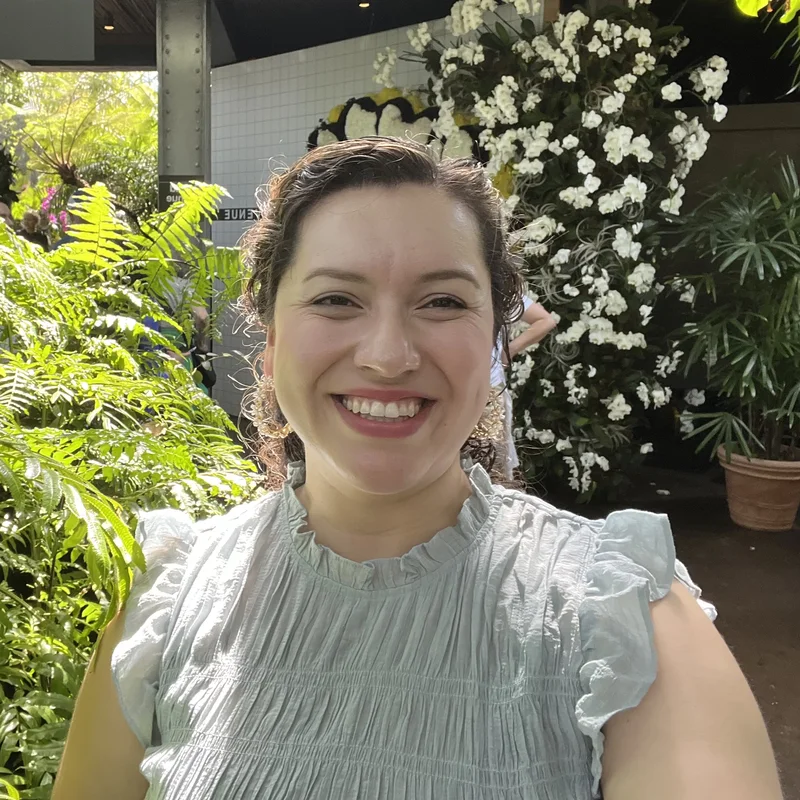
Jacquilyn Arias is a speech-language pathologist with more than a decade of clinical experience supporting children and families. Her clinical and research interests include speech sound disorders, language development, and culturally and linguistically responsive practice. Her research experience includes bilingual language development and developmental language disorder with the DUAL Language Lab at the University of Houston, as well as childhood apraxia of speech with the Case Speech Lab. A LEND Fellow, Jacquilyn is committed to connecting research and practice to advance equitable services for children and families.
Research Associate
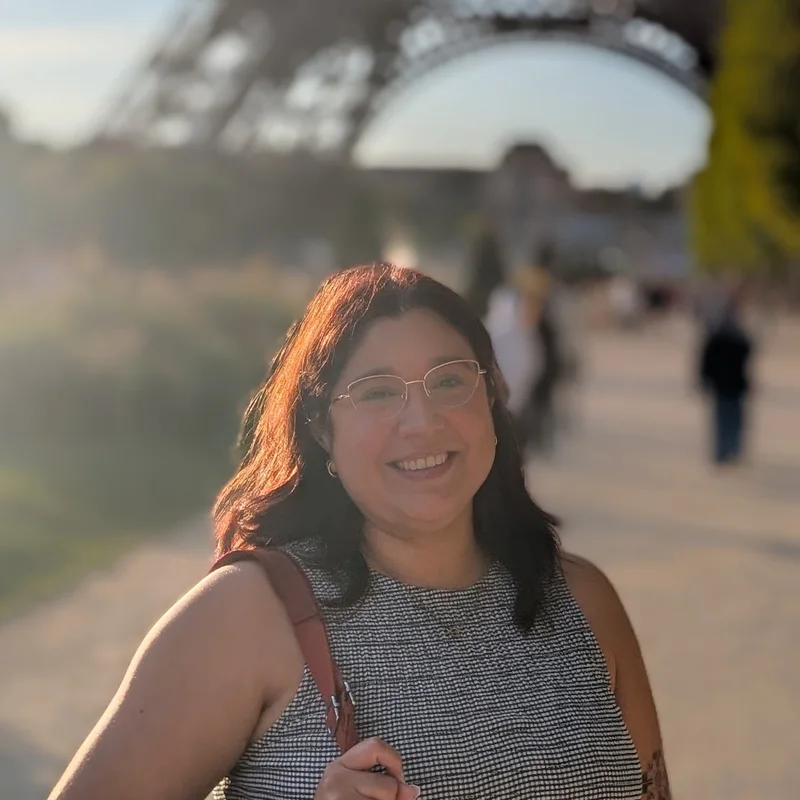
Diana Vega Torres is a bilingual speech-language pathologist and Fort Worth native committed to supporting children and families from diverse linguistic and cultural backgrounds. She earned her undergraduate degree from Stephen F. Austin State University and her M.S. in Speech-Language Pathology, with an emphasis in bilingual Spanish service delivery, from TCU in 2020. Diana has worked in pediatric outpatient, private practice, and home health settings. She values close partnerships with families and caregivers and contributes to CABVI’s work to improve language and educational outcomes for bilingual learners.
Doctoral Researcher
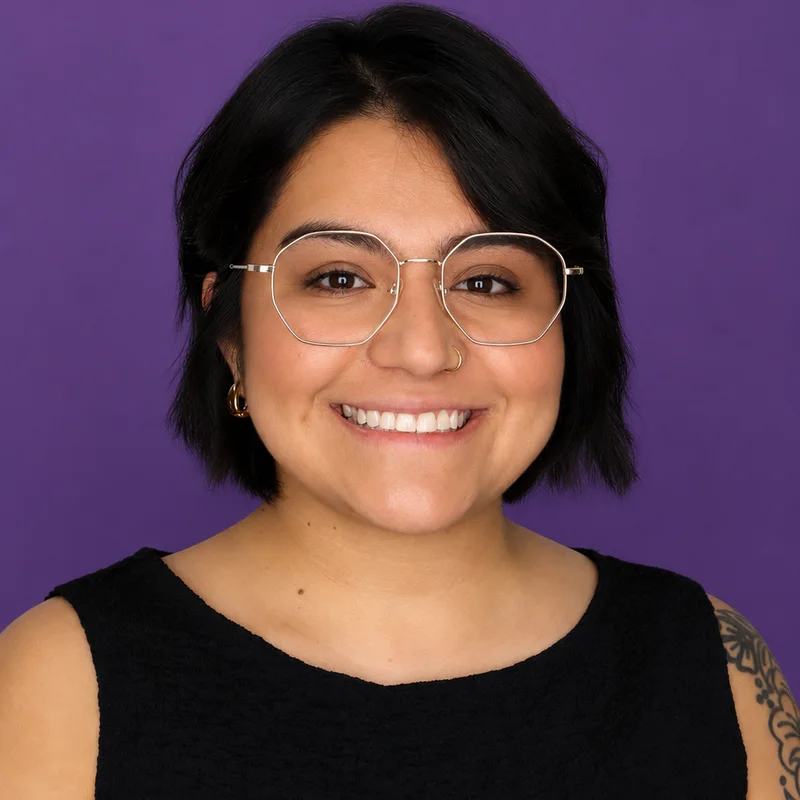
Alice Regalado-Lee is a third-year Ph.D. student in Health Sciences at Texas Christian University and a bilingual Spanish-English speech-language pathologist. Her research examines writing development among multilingual school-age children with developmental language disorder, including how morphological skills relate to spelling outcomes. Alice aims to develop tools that support culturally and linguistically diverse students.
Doctoral Researcher
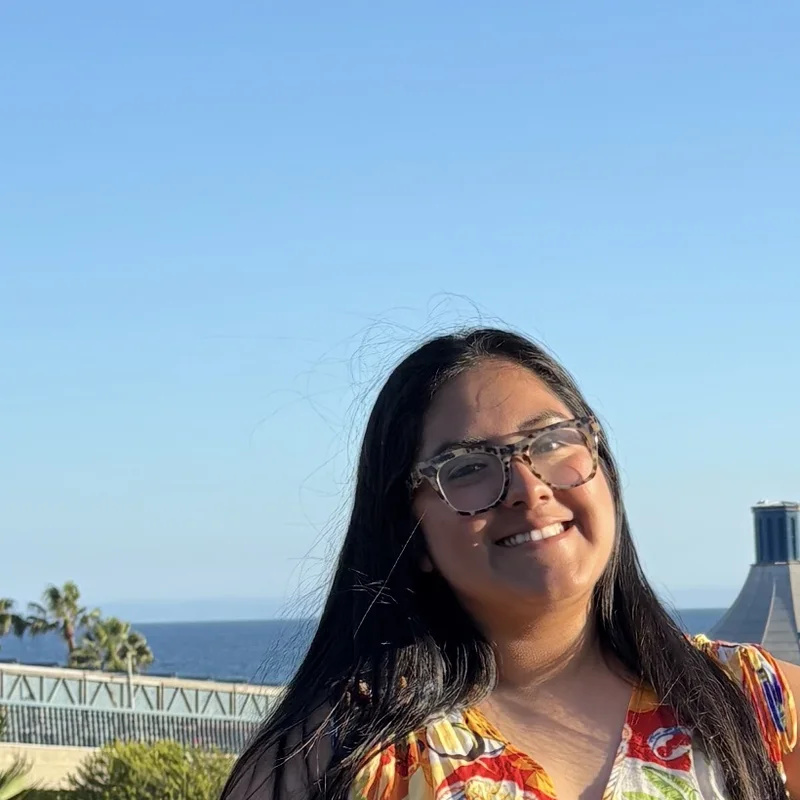
Karla Garcia is a third-year Ph.D. student with professional experience in school-based settings and early childhood intervention. Her research focuses on parent-implemented biliteracy interventions. Through community-engaged research, Karla seeks to empower families to support their children’s development using the strengths and resources available in their homes and communities.
Lab Manager
Karen Ramirez Acosta is CABVI’s Lab Manager and a senior majoring in Speech-Language Pathology with a minor in Spanish for the Health Professions. A first-generation college student from Dallas, she is active in community service and campus programs, including NSSLHA, the McNair Scholars Program, SLA, and her role as a Colby Hall resident assistant. Karen has presented research at TCU’s McNair Summer Research Symposium and UCLA’s National McNair Conference. She has also completed an observational experience with a bilingual SLP working in Early Childhood Intervention at MHMR of Tarrant County.
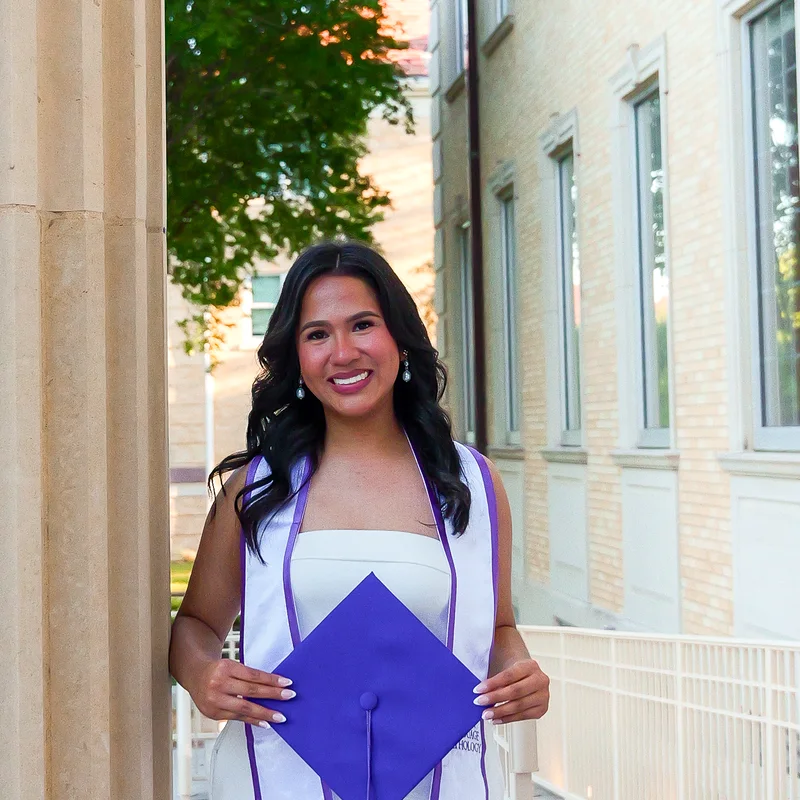
Graduate Assistant
Maria Isabel Rivera is a graduate student at TCU and a TCU undergraduate alumna who has spent most of her life in Fort Worth. She looks forward to supporting the community while collaborating with and learning from the CABVI team. Outside the lab, Maria enjoys bowling, exploring new restaurants, and music. Her favorite artist is Bruno Mars, whom she had the opportunity to see in concert in Fort Worth.
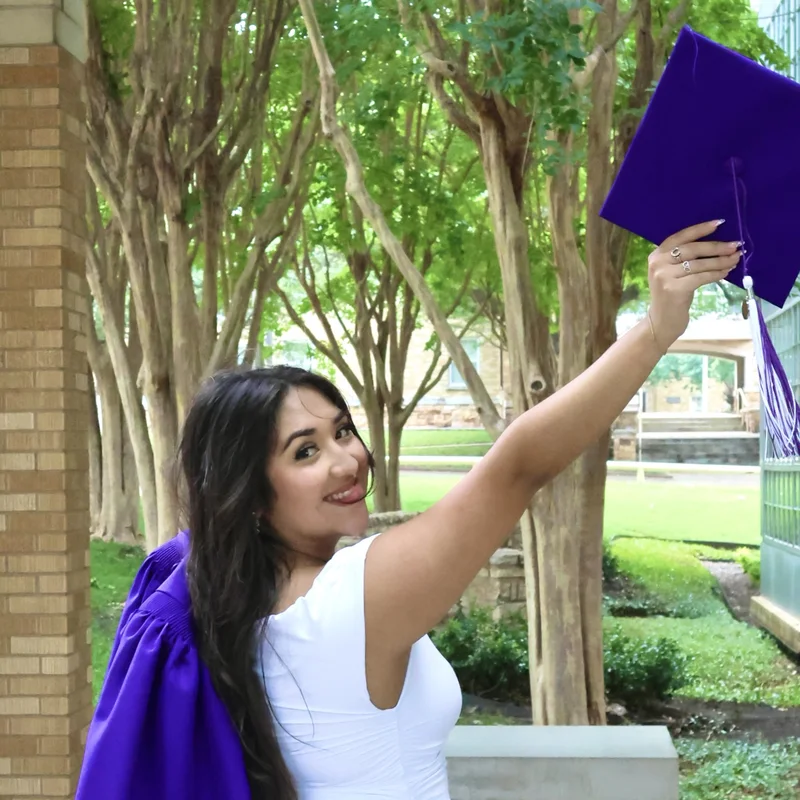
Graduate Assistant
Lupita Tavera is a Fort Worth native and graduate student in TCU’s Bilingual Speech-Language Pathology track. She earned a Bachelor of Science with a minor in Spanish for Health Professionals from TCU. Lupita looks forward to contributing to research that supports the community, addresses the needs of diverse populations, and creates meaningful change.
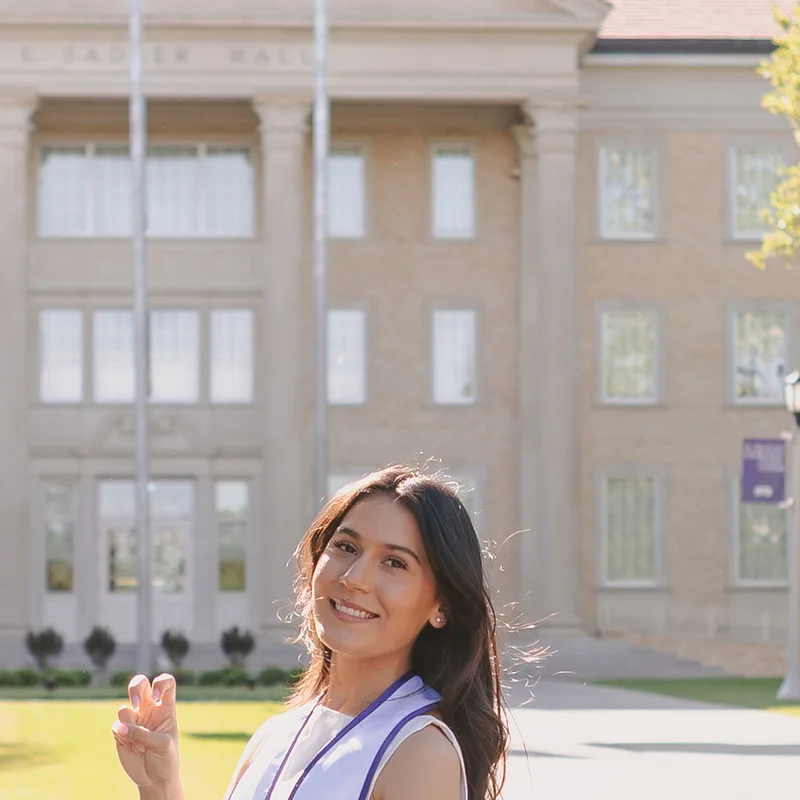
Graduate Assistant
Brianna Mascorro is a Fort Worth native and graduate student in TCU’s EBSLP program. She earned undergraduate degrees from TCU in Allied Health, with an emphasis in Speech-Language Pathology, and Studio Art, with a focus in ceramics. Brianna is passionate about working with bilingual communities and continuing to grow as a future speech-language pathologist.
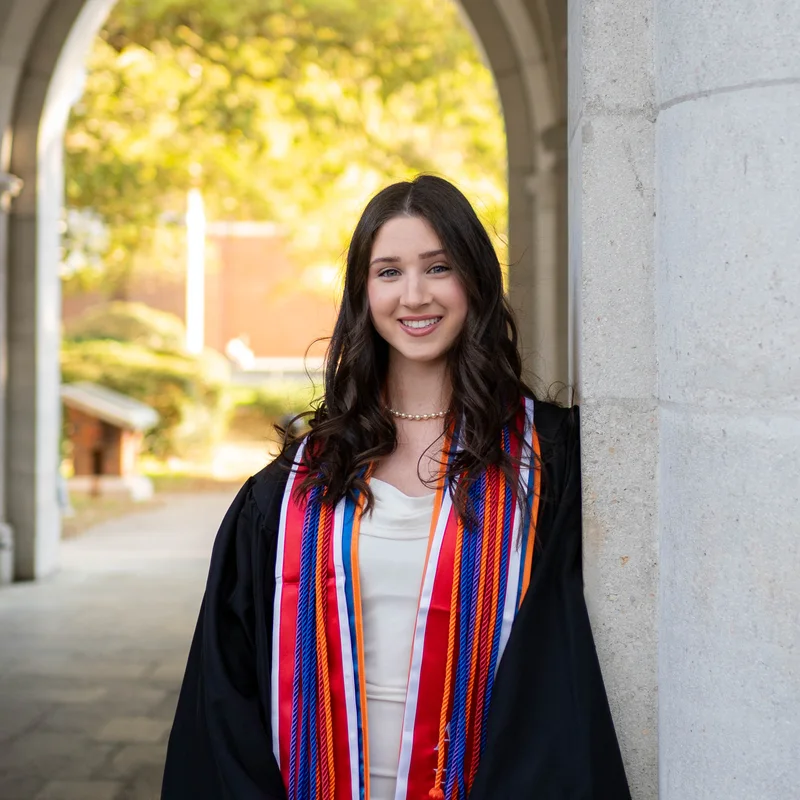
Graduate Assistant
Sabrina Carrillo is a second-year graduate student in TCU’s Speech-Language Pathology Master’s program. She earned her Bachelor of Science in Communication Sciences and Disorders, with a minor in Disabilities in Society, at the University of Florida. Growing up in South Florida and being bilingual herself, Sabrina has always been passionate about increasing access and resources for bilingual communities, and she looks forward to continuing that work with CABVI.
Bilingual Learning Guide
Ceci is CABVI’s gentle bilingual learning guide. She makes new words feel welcoming, never rushes a child, and occasionally celebrates a great answer with a very enthusiastic little hop.
Expressive Vocabulary Coach
Pío is CABVI’s expressive vocabulary coach. He encourages children to say, explain, and use new words in Spanish and English—and believes every brave attempt deserves a cheerful “¡pío, pío!”

Quality Control Team
Las Moscas are CABVI’s tiny quality-control team. They listen closely, catch bugs before anyone else, and remind the team that even the smallest voices can make an important contribution.

Farm Operations and Story Support
El Granjero keeps Ceci’s farm organized and ready for learning. He helps every story and activity move smoothly, usually with a plan in one pocket and an emergency snack in the other.

Encouragement and Moo-tivation Specialist
La Vaca is CABVI’s specialist in encouragement and “moo-tivation.” She brings calm energy to practice, celebrates steady progress, and reminds everyone that learning grows one word at a time.
Follow the work as it takes shape